
Exercise is important for people of all ages but for menopausal women it’s vital for mental health and longevity, as well as being able to perform everyday tasks in later life. Whether you need to carry a heavy bag of shopping, squat down to empty the washing machine or play with your grandchildren, a certain level of physical fitness is required.
As I’ve had a bad back for over four years, I’ll never be able to do many exercises without pain or risk of making it worse, so I have to be really careful. I’m happy to adjust things when I go to a class, and although I do feel slightly wimpy for lifting lighter weights or missing out certain moves, I know that it’s more important to exercise even if it’s not exactly the same as what everyone else is doing.
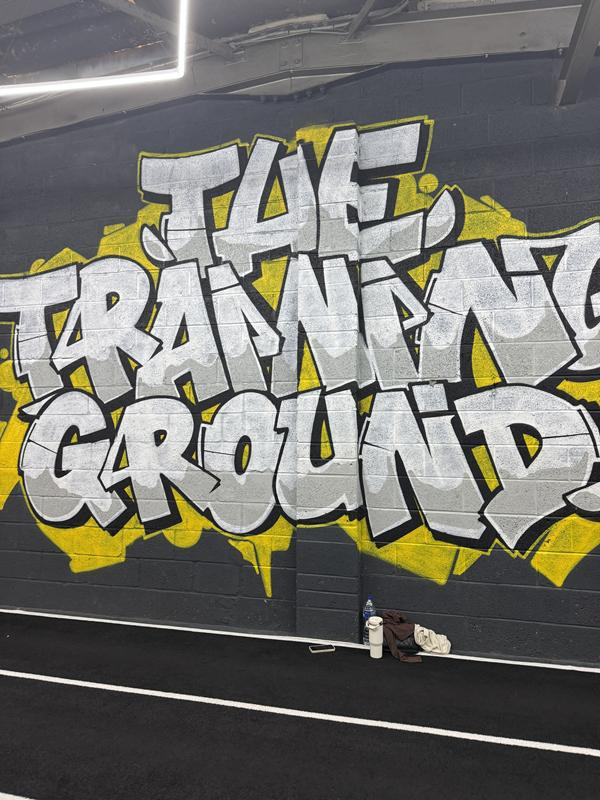
Although I’ve started running again, I know how important resistance exercises are for building muscle and helping prevent osteoporosis, so I was on the lookout for local classes which would tick this box. A number of people recommended The Training Ground so I gave it a try. Now, this isn’t an advert for any particular place, it’s just to highlight new ways of training, as I hadn’t heard of Hyrox before and wanted to find out more as everyone seems to be doing it!
The Training Ground isn’t like a normal gym as it is dedicated more to particular cardio and functional exercises, such as treadmills, rowing machines and various weights and balls. At a daytime class I tried, it was a mixture of running and specific resistance training, such as snatches, wall balls and a farmers walk. It was a mini Hyrox session and seemed perfect for overall fitness so I wanted to find out more!
The Anatomy of Hyrox: An Idiot’s Guide
At its core, Hyrox is the “marathon of functional fitness.” Launched in Germany in 2017, it was designed to bridge the gap between traditional long-distance running and functional strength training.
The format is standardised worldwide, meaning the course never changes regardless of whether you are competing in London, Chicago, or Sydney. A full Hyrox race consists of 8 x 1km runs, with 1 functional workout station following each kilometre.
The 8 functional stations, in order, are:
- 1,000m SkiErg (a stationary ski machine targeting arms and core)
- 50m Sled Push (heavily loaded sled pushed across carpet)
- 50m Sled Pull (hauling a heavy sled toward you using a rope)
- 80m Burpee Broad Jumps (burpee down, jump forward, repeat)
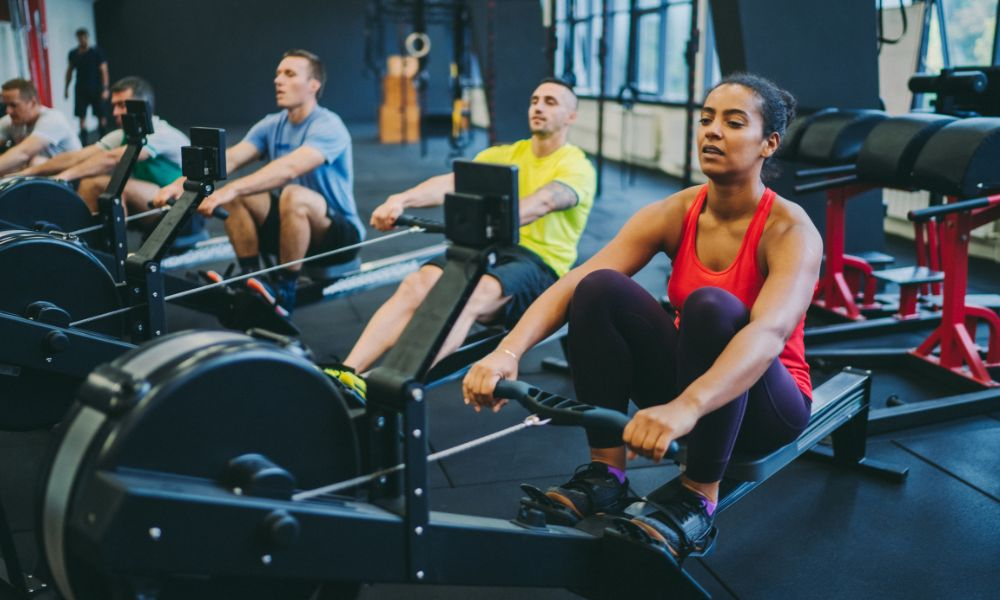
- 1,000m Rower
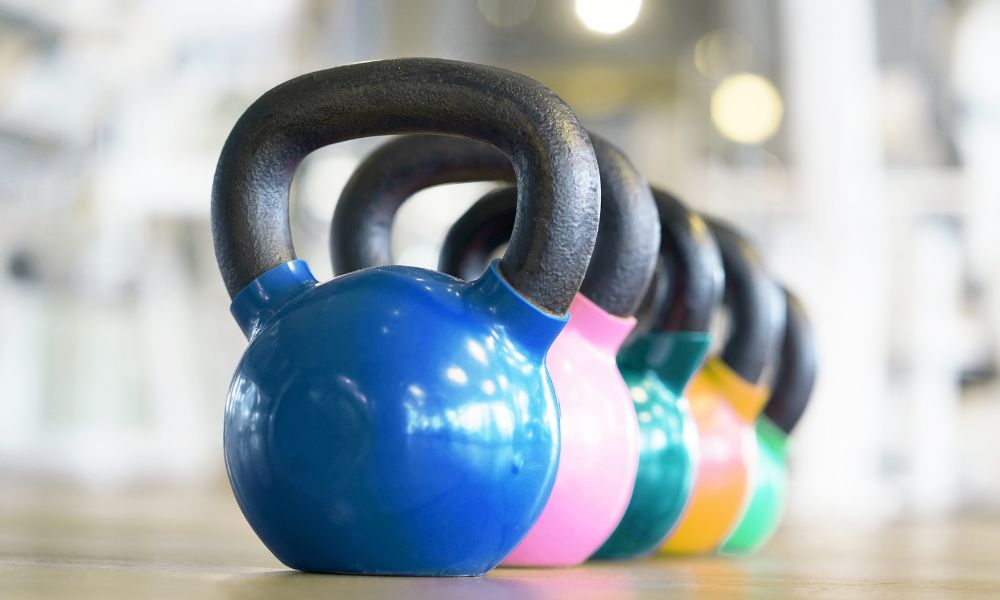
- 200m Farmers Carry (walking briskly while holding heavy kettlebells)
- 100m Sandbag Lunges (walking lunges with a weighted bag on your shoulders)
- 75 or 100 Wall Balls (squatting and throwing a weighted ball at a target)
Everyone completes the exact same distance and exercises, making it a pure test of endurance, pacing, and grit.
Why Has It Exploded in Popularity?
I’d never heard of the word Hyrox a year ago but now it seems like there are lots of random people I know doing it. The sport has seen exponential growth over the last few years for several clear reasons:
- Inclusivity & Accessibility: Unlike CrossFit, which features highly complex technical movements (like Olympic barbell lifts or ring muscle-ups), Hyrox uses fundamental human movements—running, pushing, pulling, jumping, and throwing. Virtually anyone can do the movements, even if they have to do them slowly.
- No Time Cap: Whether you finish in 55 minutes or 2.5 hours, every single participant receives an official finisher time and crosses the exact same finish line.
- The “Gamification” of Fitness: Because the course is identical everywhere, it operates like a marathon. Athletes love tracking their personal bests (PBs) and comparing their splits against peers globally.
- Massive Mass-Participation Atmosphere: Held in massive indoor exhibition halls with pounding music, roaring crowds, and lights, it feels more like a festival than a gruelling race.
Divisions & Weight Differences
Hyrox caters to different abilities and offers tailored divisions. There are distinct weight differences for men and women, as well as scaling based on the category you choose:
- Open Division: The standard category. Women use lighter weights on the sleds, sandbags, and wall balls compared to the Men’s Open.
- Pro Division: Designed for seasoned athletes looking for a heavier challenge. The runs remain the same, but the weights on the stations are significantly heavier.
- Doubles (Male, Female, or Mixed): This is the ultimate entry point if you are managing injuries like a bad back. In Doubles, both partners run the 1km segments together, but you can split the station work however you like. If your partner loves sled pushes but your lower back hates them, your partner can handle the heavy pushing while you take on the rowing or SkiErg.
- Relay: A team of four, where each person completes 2 x 1km runs and 2 functional stations.
What About the “Cyclone” Version and Other Alternatives?
Because official Hyrox events sell out months in advance, several alternative formats and local variations have popped up:
- Cyclone Races: Many local fitness providers and event organisers host “Cyclone” or hybrid fitness races inspired by the Hyrox format. These local, grassroots events often feature a slightly condensed layout (e.g., 6 stations instead of 8, shorter run loops, or swapping out heavy sleds for lighter kettlebell movements or stationary bike ergometers). They are fantastic, low-pressure stepping stones for beginners or those managing physical limitations. (Note: In official race circles, “Cyclone” is also the name of the official Hyrox jump rope used in specific speed training).
- DEKA FIT: Created by the founders of Spartan Race, DEKA offers three formats (DEKA Strong, DEKA Mile, and DEKA Fit). It features 10 functional zones separated by shorter runs or no runs at all, making it slightly more upper-body focused and less running-heavy.
- Local Gym “Hyrox Sim” Days: Most local Hyrox-affiliated gyms host internal simulation days where you can try scaled versions of the race without signing up for a full venue event.
The Health & Fitness Benefits
Participating in (or training for) this style of hybrid racing offers exceptional physical and mental benefits:
- True Hybrid Conditioning: It builds aerobic cardiovascular capacity through running while simultaneously building muscular endurance and strength through functional resistance.
- Low-Impact Scalability: Apart from the running, the movements are largely low-impact on the joints, making it far easier to adapt for individuals rehabilitating back, knee, or shoulder issues.
- Core & Posterior Chain Strength: Pushing sleds, carrying kettlebells, and rowing properly build tremendous postural strength through the hamstrings, glutes, and core, which—when executed with good form—can actually help support and protect the lower back over time.
- Mental Resilience: Pushing through fatigue over an hour-plus of varied movement builds high mental toughness and functional stamina that translates directly to everyday life.
