
From preventing tooth decay and gum disease to preserving a beautiful smile, adopting proper dental habits can have a profound impact on our physical and emotional health. In this article, we’ll explore some invaluable dental tips that everyone should try to remember and incorporate into their daily routine.
Brush Twice A Day, Every Day
One of the most fundamental dental tips is to brush your teeth twice a day, once in the morning and once before bed. Brushing helps remove plaque, a sticky film of bacteria that accumulates on your teeth and can lead to tooth decay and gum disease if left unchecked.
When brushing, use a soft-bristled electric toothbrush and gentle circular motions, ensuring you reach all surfaces of your teeth, including the hard-to-reach areas at the back. It’s also essential to replace your toothbrush every three to four months or sooner if the bristles become frayed.
Don’t Forget To Floss
While brushing is crucial, it’s not enough to maintain optimal oral health. Flossing is an essential step that many people tend to overlook or skip. Flossing helps remove plaque and food particles from areas that your toothbrush can’t reach, preventing the buildup of bacteria and reducing the risk of gum disease.
Aim to floss once a day, preferably before brushing your teeth at night. Be gentle and take your time to ensure you floss between each tooth and along the gumline. If traditional flossing proves challenging, consider using interdental brushes or water flossers as effective alternatives.
Stay Hydrated And Limit Sugary Drinks
Staying hydrated is important for overall health and plays a crucial role in maintaining good oral health. Drinking plenty of water helps keep your mouth moist, which is essential for producing saliva—your body’s natural defense against tooth decay and gum disease.
On the other hand, sugary drinks like sodas, sports drinks, and even fruit juices can be detrimental to your dental health. The sugars in these beverages feed the bacteria in your mouth, increasing the risk of tooth decay and erosion of tooth enamel. If you do have a sugary drink, brush your teeth or rinse your mouth with water afterwards to minimize the impact on your teeth.
Visit Your Dentist Regularly
Regular dental check-ups and cleanings are essential for maintaining optimal oral health. During these visits, your dentist can thoroughly clean your teeth, removing any built-up plaque or tartar that your toothbrush and floss may have missed.
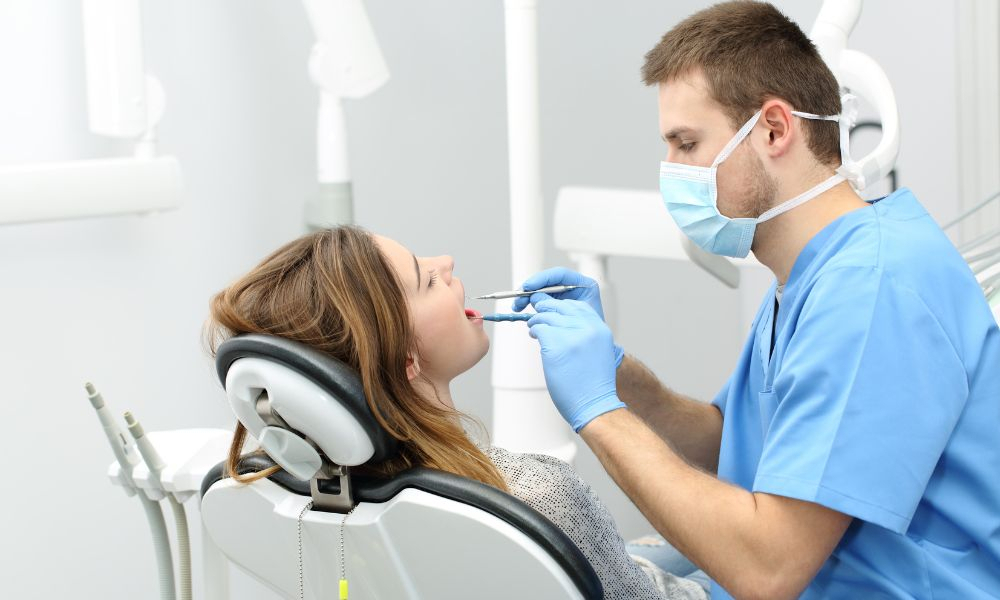
Your dentist can identify and address any potential dental issues, such as cavities, gum disease, or oral cancer, in their early stages, when they are most treatable. Most dental professionals recommend scheduling a check-up and cleaning every six months, but your individual needs may vary based on your dental history and risk factors.
Clear Teeth Aligners Can Make A Big Difference
If you’re considering orthodontic treatment to straighten your teeth or correct bite issues, clear teeth aligners can be an effective and discreet solution. Unlike traditional metal braces, clear aligners are virtually invisible, making them an appealing option for adults and teenagers alike. Clear aligners gradually shift your teeth into their desired positions over time, using a series of customized, removable aligner trays. This can improve the appearance of your smile, and straighter teeth are also easier to clean and maintain, reducing your risk of tooth decay and gum disease.
Protect Your Teeth from Injury
Whether you participate in sports, engage in physical activities, or have a job that puts you at risk for dental injuries, it’s essential to take precautions to protect your teeth. Wearing a properly fitted mouthguard can help cushion your teeth and absorb the impact of any blows to the face, preventing chips, cracks, or even tooth loss.
If you do suffer a dental injury, seek prompt treatment from your dentist. Addressing the issue quickly can increase the chances of saving a damaged or knocked-out tooth and prevent further complications.
Quit Smoking And Limit Alcohol Consumption
Smoking and excessive alcohol consumption can have detrimental effects on your oral health. Smoking stains your teeth and causes bad breath, and it also increases your risk of developing gum disease, oral cancer, and other dental problems.
Similarly, heavy alcohol consumption can lead to dry mouth, which increases the risk of tooth decay and gum disease by reducing saliva production. If you smoke or consume alcohol regularly, you need to be diligent about your oral hygiene routine and visit your dentist regularly for check-ups and cleanings.
Maintain A Balanced Diet
A healthy, balanced diet plays a crucial role in maintaining good oral health. Foods rich in calcium, like dairy products, leafy greens, and nuts, are essential for building and maintaining strong teeth and bones.
Crunchy fruits and vegetables like apples, carrots, and celery can help scrub away plaque and increase saliva production. On the other hand, limiting sugary and acidic foods and drinks can help prevent tooth decay and enamel erosion.
