
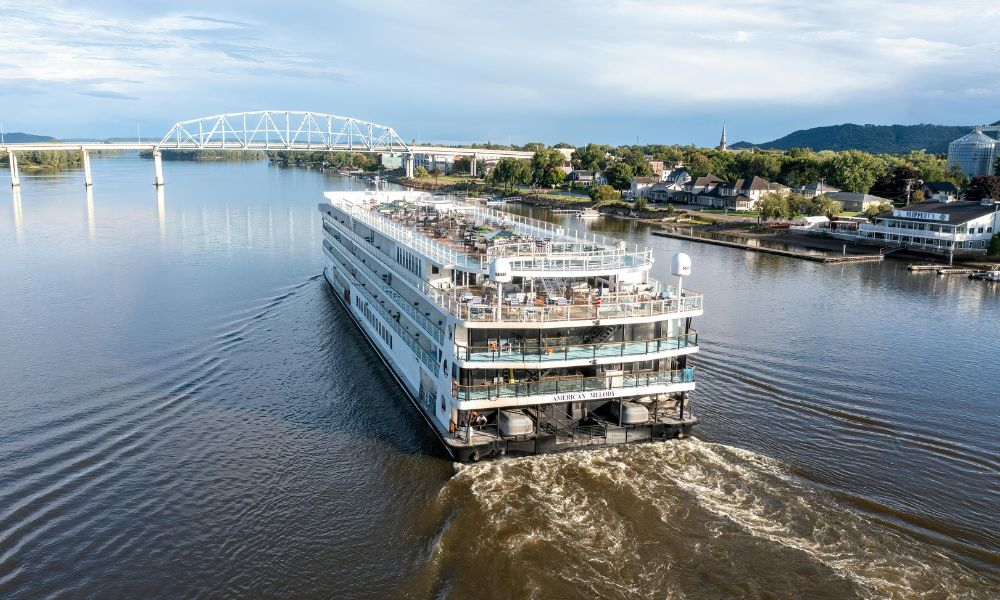
A cruise ship arrives at a stunning coastal city, but the excitement quickly fades when a crowded excursion group gathers around a guide holding a sign. The schedule is fixed, the stops are limited, and every moment feels rushed.
Many travelers want more than a standard route that moves from one attraction to another. They want time to explore local streets, discover hidden corners, and experience destinations in a more personal way.
DIY port days provide a solution for travellers who prefer flexibility over organised group tours. With careful preparation, independent exploration allows visitors to create meaningful experiences while staying within the ship’s schedule.
From walking through historic neighborhoods to finding local restaurants and cultural highlights, a self-guided adventure can turn a short port visit into an unforgettable journey.
Why Choose Independent Port Exploration Over Group Tours
Organised excursions offer convenience, but they often follow the same paths as hundreds of other visitors. Large groups may spend more time waiting, following schedules, and visiting popular locations rather than experiencing the destination naturally.
Independent port exploration gives travellers control over their day. Instead of following a predetermined itinerary, visitors can choose attractions based on their own interests. Someone interested in history can spend more time exploring old architecture, while a food lover can focus on local markets and traditional restaurants.
The biggest advantages of exploring independently include:
- Freedom to choose where to go and how long to stay
- More opportunities to discover local culture
- Lower costs compared with many guided excursions
- The ability to avoid crowded tourist areas
- A more relaxed travel experience
DIY port days are especially appealing for travellers who enjoy spontaneous discoveries. A quiet street, a small café, or a local shop can become the highlight of a destination visit.
Research Your Port Destination Before Arrival
Successful independent exploration starts before the ship reaches the harbour. A small amount of research helps travellers avoid confusion and make the most of limited time on land.
Before arriving at a port, check important details such as:
- The distance between the cruise terminal and city centre
- Available transportation options
- Walking routes and estimated travel times
- Attraction opening hours
- Local customs and payment methods
- Weather conditions during the visit
Planning ahead does not mean creating a strict schedule. Instead, it provides a basic structure that allows room for unexpected experiences.
For travellers exploring destinations connected to European river and cruise routes, researching locations in advance can reveal unique sightseeing opportunities. Reviewing information about rhine river cruise stops can help visitors understand possible destinations, nearby attractions, and local experiences worth adding to a self-guided itinerary.
Offline maps are also useful because internet access may not always be reliable while travelling. Saving important locations before leaving the ship makes navigation easier throughout the day.
Create a Flexible Self-Guided Port Day Route
A successful DIY port day balances preparation with flexibility. Trying to visit every landmark often creates unnecessary stress. A better approach is choosing a few meaningful locations and allowing time for exploration.
Start by selecting one or two main attractions near the port area. From there, build a walking route that includes smaller experiences along the way.
A balanced route may include:
- A historic landmark or cultural site
- A local neighborhood walk
- A traditional food stop
- A market or shopping area
- A scenic viewpoint or waterfront area
Keeping the route realistic is important because cruise schedules leave limited time. Travellers should consider transportation delays, walking distances, and the time needed to return to the ship.
Manage Transportation and Return Times Carefully
Transportation planning can make or break an independent port adventure. While many destinations are easy to explore on foot, others require public transportation or short taxi rides.
Understanding local transportation options before leaving the ship helps travellers move confidently. Walking may be the best choice in compact historic cities, while buses, trains, or taxis may provide better access to distant attractions.
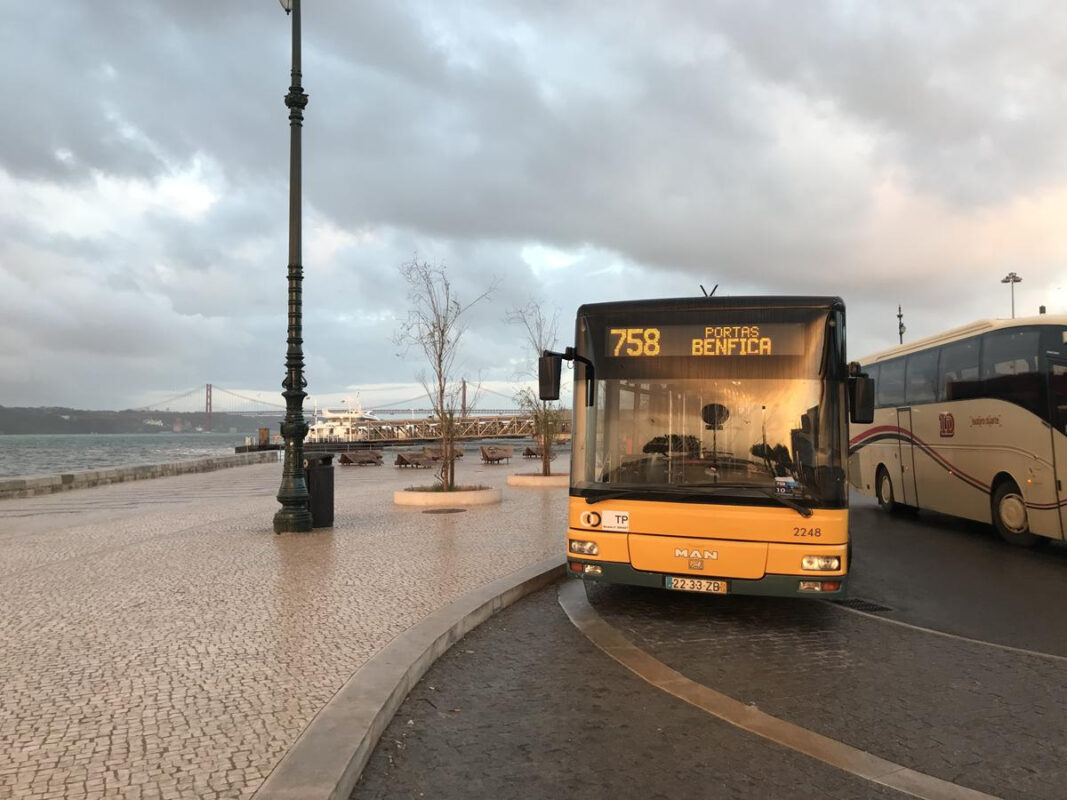
Always keep the ship’s departure time as the priority. Independent travellers should plan to return with extra time available instead of arriving at the last possible moment.
Helpful transportation habits include:
- Checking estimated travel times before leaving
- Carrying the port address and ship details
- Downloading offline maps
- Avoiding destinations that require complicated connections
- Allowing extra time for unexpected delays
A relaxed return journey ensures the final part of the day remains enjoyable instead of stressful.
Discover Authentic Local Experiences Beyond Tourist Routes
One of the greatest benefits of independent wandering is the opportunity to experience everyday local life. Popular attractions are valuable, but smaller moments often create the strongest memories.
Instead of staying only near major tourist areas, explore nearby streets where locals live and work. Small restaurants, independent stores, and neighborhood markets often reveal a more authentic side of a destination.
Travellers can discover:
- Regional food specialties
- Traditional crafts
- Local cafés
- Community markets
- Historic streets away from busy areas
These experiences create personal connections with places that organised tours may not include. A conversation with a local shop owner or a meal in a family-run restaurant can become a memorable part of the journey.
Independent exploration encourages travellers to slow down and appreciate the character of each destination.
Essential Tips for a Smooth DIY Port Day
Preparation makes independent travel easier and more enjoyable. Packing the right items and maintaining awareness throughout the day can prevent common problems.
Useful items include:
- Comfortable walking shoes
- Portable phone charger
- Digital and offline maps
- Weather-appropriate clothing
- Small amount of local currency
- Identification and cruise information
Travellers should also respect local customs, remain aware of their surroundings, and avoid planning overly ambitious routes.
The greatest advantage of a DIY port day is freedom. A simple plan combined with flexibility often creates a better experience than a packed schedule.
Endnote
Skipping organised group tours does not mean missing important experiences. With thoughtful preparation, travellers can explore destinations at their own pace, discover local culture, and create a more personal connection with every port.
DIY port days transform short visits into meaningful adventures. By researching ahead, choosing realistic routes, and leaving room for discovery, independent travellers can enjoy the freedom to experience each destination in their own way.
