
AD
With a husband who fits automatic doors for a living I know slightly more about access control than the average person. Gaining entry to buildings is something we take for granted and although many shops, hospitals, offices and schools have sensor-driven sliding doors, many buildings have push-button entry systems. The coronavirus pandemic has forced businesses to reassess entry methods to their premises as you don’t want visitors to touch anything they don’t need to, so alternatives are needed to keep safe and reduce the risk of infection.
Public buildings
For many buildings, effortless access is essential. Shops, leisure centres, police stations, hospitals – people are coming and going all day so need to be able to get in and out easily. Automatic sliding, swing or revolving doors are the norm and usually open when a sensor knows that a person is nearby. This is great because it’s hands-free and as long as nobody puts a bin or something else in the way then it works perfectly. There are emergency modes which ensure the doors stay open if there’s a fire, and they can be locked securely when the premises are closed.
Types of secure access control
Many offices, schools, hospitals and other types of business have keypad-operated door systems, or swipe card entry to ensure that only staff with the right credentials can gain access. Each room or floor can be configured to allow certain people in, and refuse entry to everyone else. This works fine but can be open to abuse if the number is shared with someone who shouldn’t have entry or a swipe card is stolen.
The ideal solution is something which uses a person’s physical characteristics to verify their identity. This is called biometric data and examples include fingerprint or facial recognition technology.

Biometric access isn’t new as fingerprint and iris entry systems have been available for many years. However, there are more modern options which have the benefit of being contactless, something which is vital during the coronavirus pandemic. It also means that people don’t need to remember a passcode or remove gloves to present their fingerprint. On a building site bricklayers struggle to provide a clear fingerprint anyway! One option for biometric access control is where mobile phone biometric data can be used. People simply need to present their mobile phone with its biometric data to gain entry, which is contactless, one less touchpoint on a potentially contaminated surface.
How does biometric access control work?
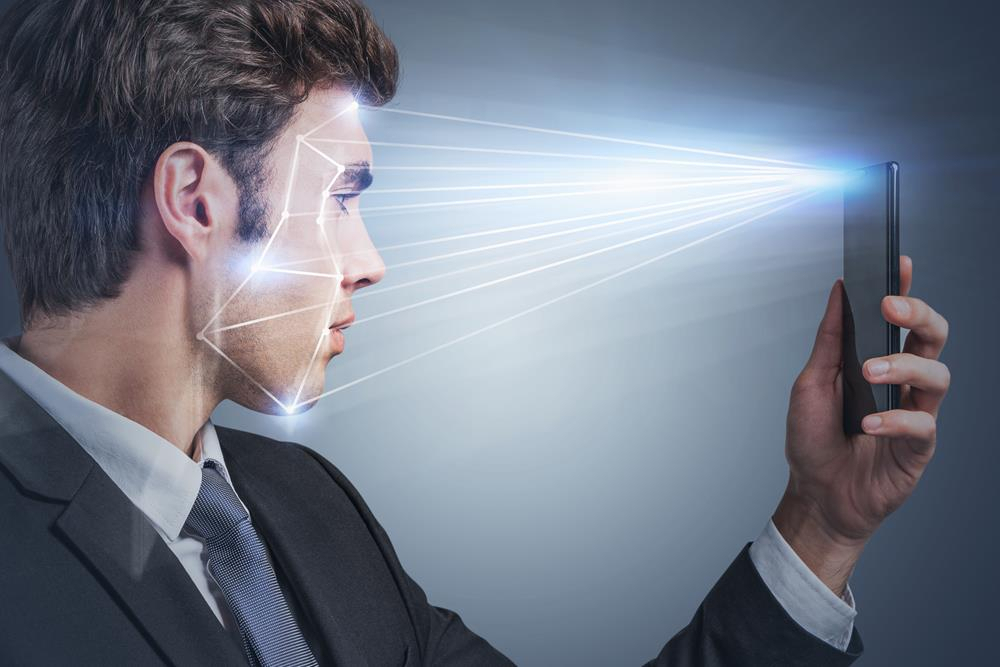
Mobile phones such as the Apple iPhone store biometric data when they allow fingerprint touch ID and face recognition for authenticating a user. Using an app such as Apple Pay then checks the identity of the person requesting the transaction based on their biometric data.
This is the same technology which is used for access control, so a phone can be presented to the hardware in a contactless manner, using biometric data to authenticate the person.
Contactless access control
Using contactless access control systems will become the norm as firms switch over to the new technology. It will ensure entry to buildings is quick and efficient, providing more security for those inside. It will also hopefully mean that my husband has a job for life, fitting the new units!
